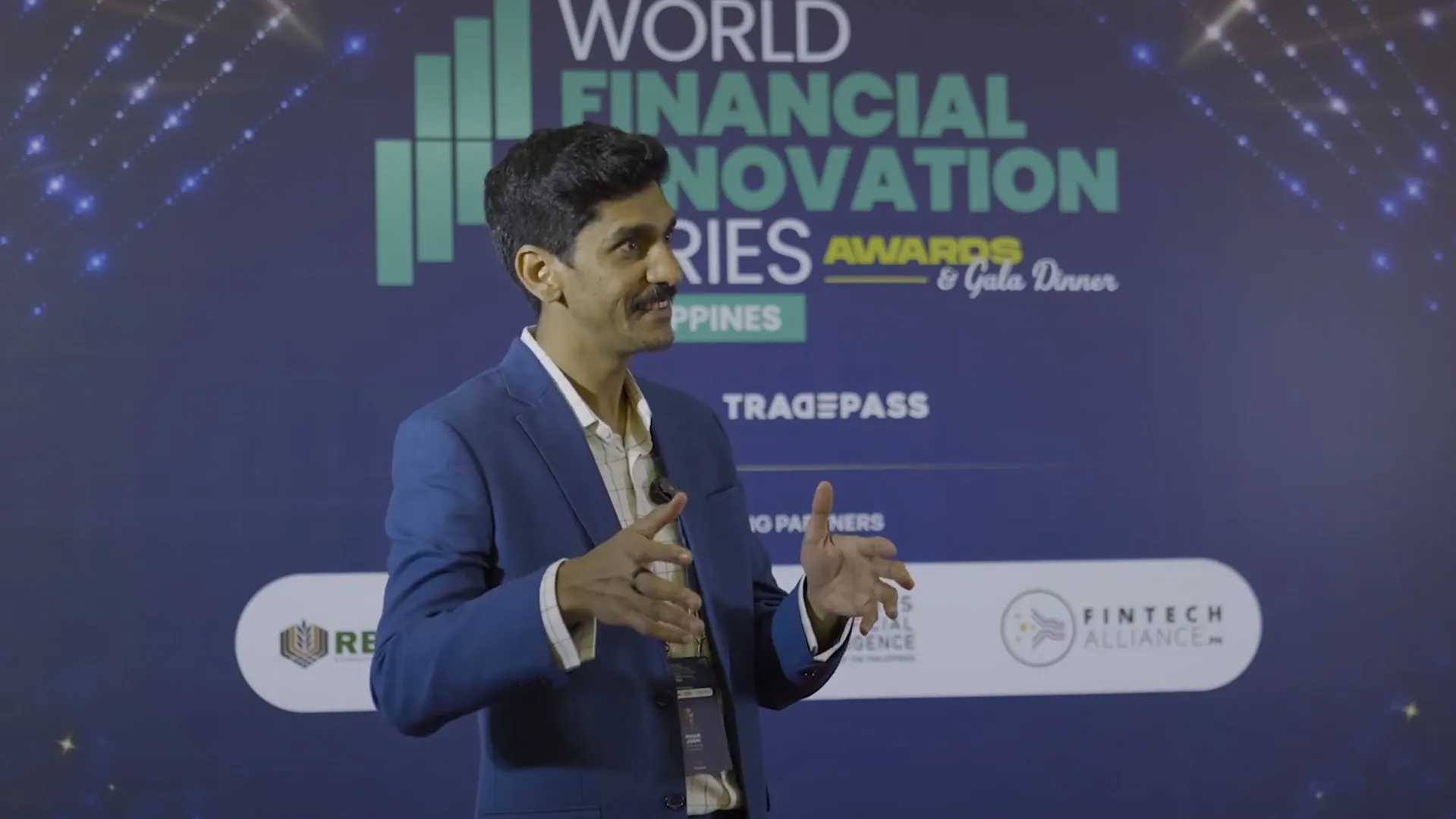
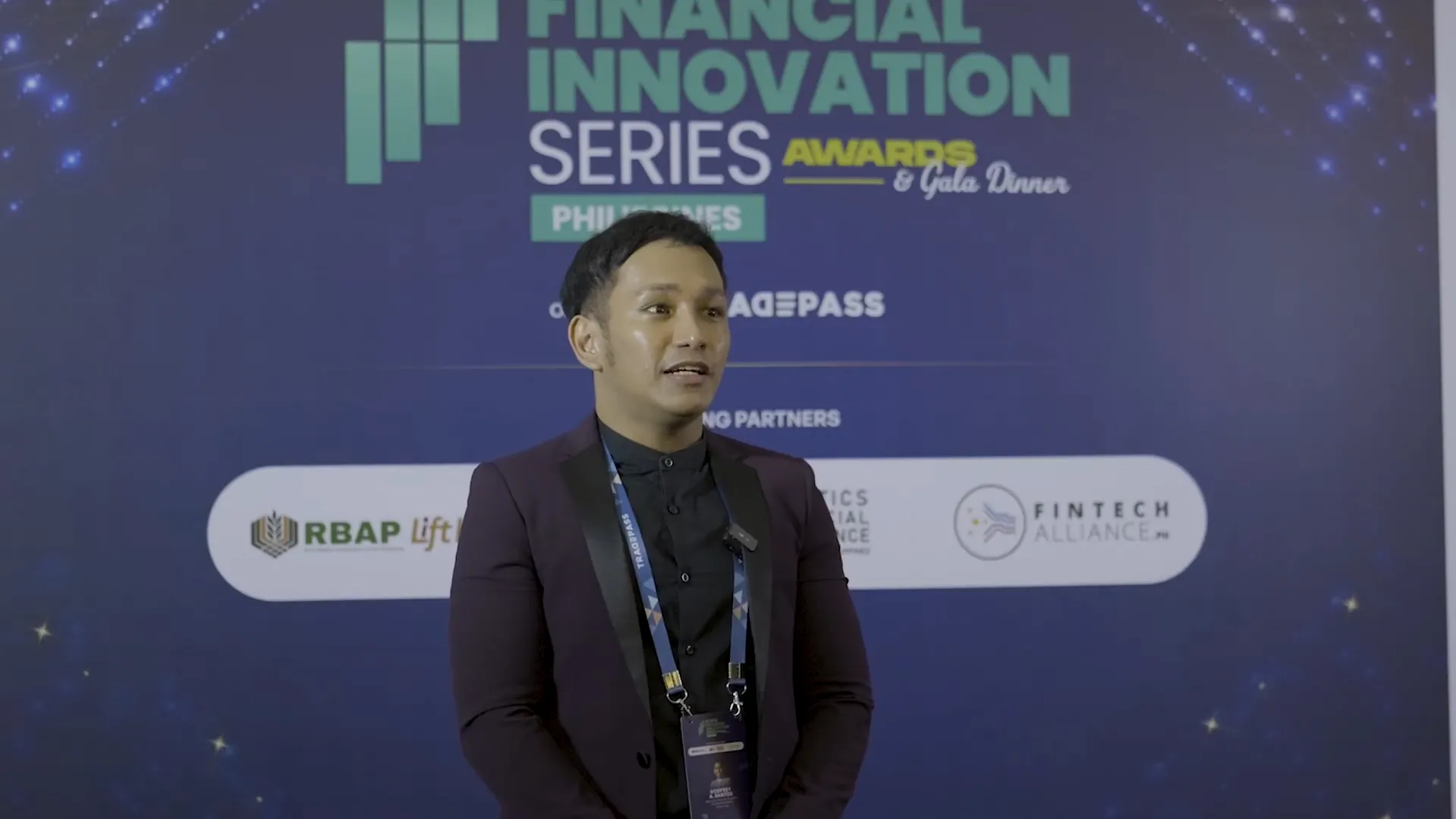
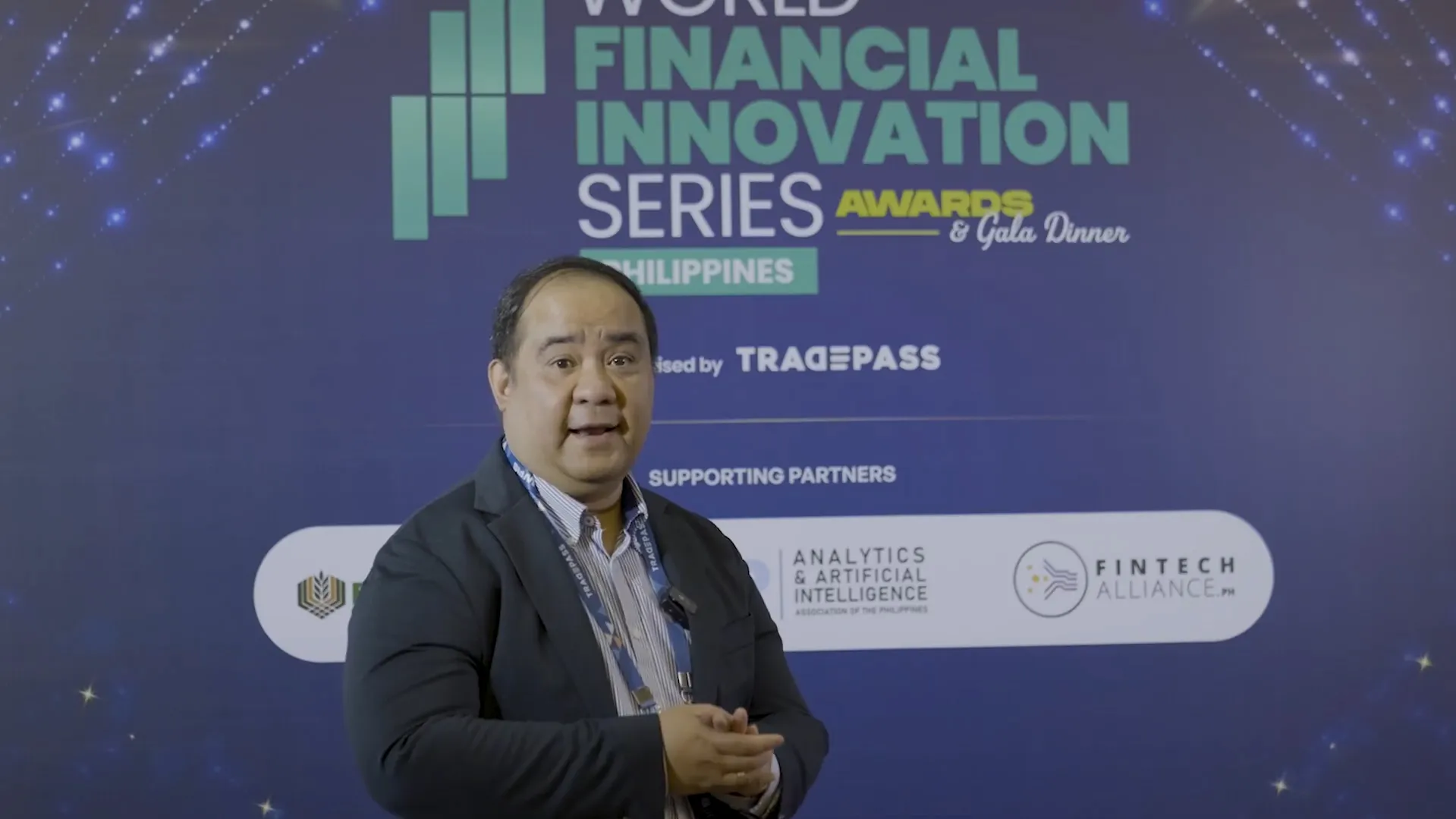
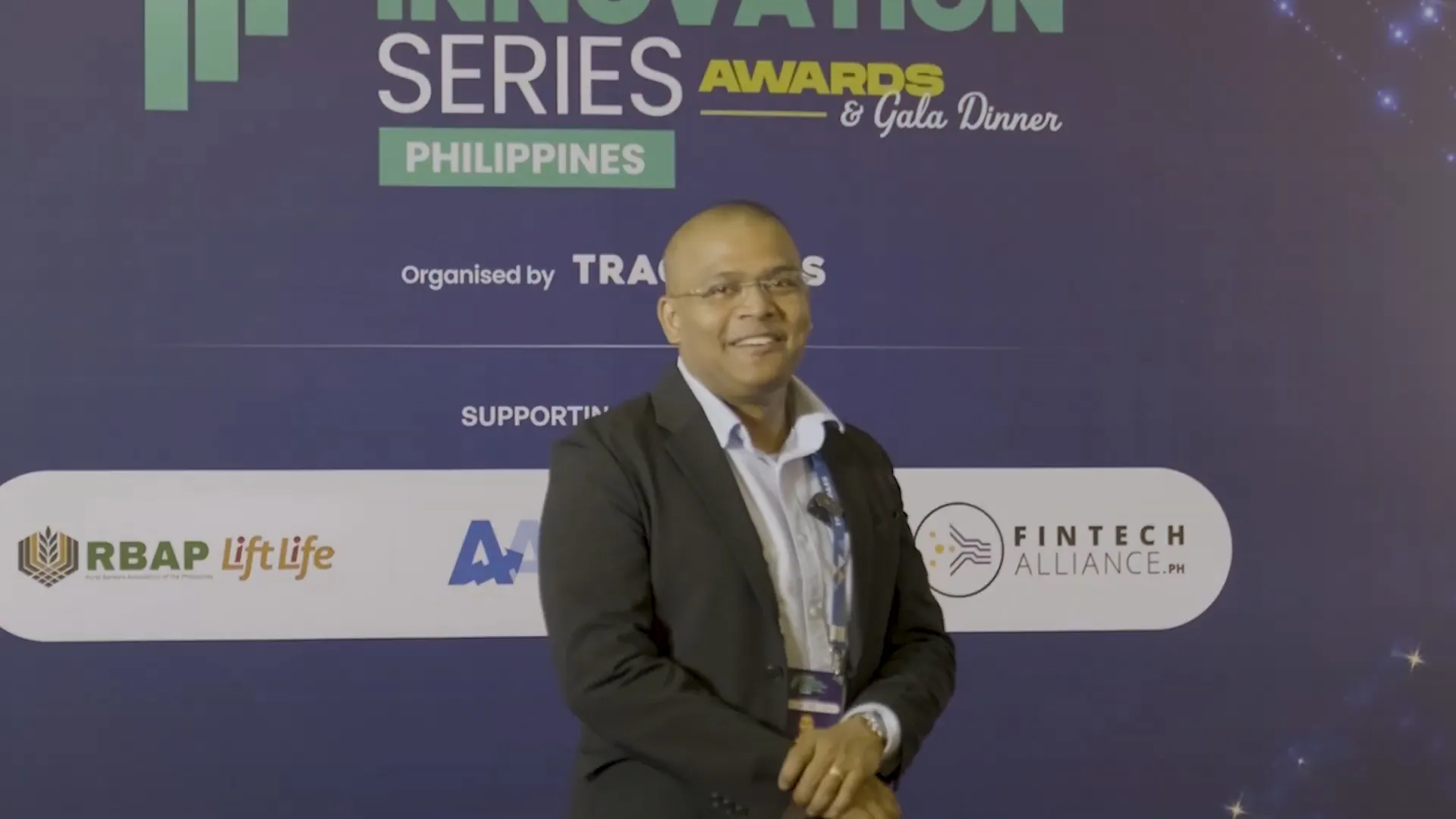
New data rules, better APIs, and shared access models shape how banks build services in Southeast Asia. These systems allow users to move data with consent and use third-party tools with ease. These changes create steady pressure on banks to build faster and safer products. This setup also encourages new digital firms to offer simple tools for payments, savings, and credit. These shifts are now a strong topic at many tech forums, including every major open banking conference across the region.
The Push Toward Shared Data Access
Open banking gives banks and fintechs a path to connect systems. It removes old silos that slow product growth. Banks can send verified data to trusted partners. This improves checks, cuts fraud risk, and shortens onboarding time.
The model also helps users gain more control. People can pick apps that give better rates, easy budgeting, or smart credit steps. Lenders get a clearer read on a user’s money flow. This reduces guesswork and helps build fair credit tools.
This wider access trend has turned into a strong pull for firms that join any major financial innovation conference across Southeast Asia. They come to explore new ways to open their systems and reduce cost.
How Open Banking Drives Product Growth in the Region
Southeast Asia has many markets with fast digital use. Open banking fits this shift. It builds a path for firms to form simple and modular tools. A bank can plug in KYC tools, AI scoring tools, and smart payment rails without long rebuilds. Fintechs can offer credit lines, split-pay plans, or cross-border tools with lower friction.
This growth also supports small firms. Many MSMEs get faster access to working capital when lenders use API-driven data instead of manual checks. These firms can move funds, pay bills, and track sales with less effort.
The momentum is clear across each Asia banking event, where leaders discuss new joint products, shared rails, and low-cost user tools.
A Strong Shift in Risk, Security, and Trust
Open banking needs trust. Banks and fintechs must protect users with strict access rules. API layers help reduce risk by controlling who sees data. Every move is logged. Every access needs consent.
This setup creates safer user journeys. Customers no longer share passwords with apps. Instead, they confirm access through safe flows. This reduces scams and lowers the risk of account takeover.
Security teams across Southeast Asia now test new risk engines, smart alerts, and strong encryption systems. These ideas also drive many talks at each FSI Philippines forum, where leaders stress safe and simple digital growth.
The Road Ahead for Open Banking Across Southeast Asia
Open banking will grow as markets refine rules. Many regulators now shape clear data-sharing rules and cross-industry standards. Banks test real-time rails and cloud tools to cut cost and raise speed. Fintechs build more API-based services for lending, savings, and small business tools.
New ideas in digital ID, credit scoring, payments, and fraud checks will likely expand. This will help banks move from old systems and build more flexible stacks.
Small firms will gain new paths for credit. Users will see more unified money tools. Regional banks will explore joint products with global tech firms. This mix supports long-term digital growth.
World Financial Innovation Series – Philippines – Where Regional Leaders Collaborate to Transform Financial Access
Event Overview
Event Name: World Financial Innovation Series (WFIS) – Philippines 2026
Date: 25–26 August 2026
Venue: Manila, Philippines
Format: Two-day Conference + Exhibition + Awards & Gala Dinner
Attendee Profile: Technology and business heads from top banks, insurers, and microfinance institutions.
Decision-Making Power: More than 80% of delegates have direct or influential roles in purchase decisions.
Delegate Roles: Includes final decision-makers, evaluators, and influencers actively exploring digital transformation solutions.
Some of the top participating domains:
IT & Security
Risk, Fraud & Compliance
Retail & Wholesale Banking
Cards & Payments
Operations & Strategy
Digital & Data Analytics
Marketing & Loyalty
Business Value and Networking
Procurement Focus: All attendees are categorized based on solution-implementation timelines (near-term, mid-term, long-term).
Networking Opportunities:
Exclusive one-to-one meetings
Dedicated exhibitor lounge
Focused networking spaces for partners and buyers
Exhibitor Advantage: Structured meetings ensuring maximum ROI and qualified buyer interaction.
Discussion Themes Will Be Focused Around
Digital Banking Transformation
AI and Data Analytics for Financial Decisioning
Cybersecurity & Fraud Prevention in BFSI
RegTech & Compliance Modernization
Payments Innovation & Financial Inclusion
Cloud-Native Digital Infrastructure
The Future of Open Banking in Southeast Asia
Recognition and Awards
WFIS Philippines Awards: Celebrates pioneers and top innovators in banking, fintech, and security domains.
Categories Include:
IT Maestro of the Year
GRC Advocate of the Year
Data & Analytics Leader of the Year
Retail Banker of the Year
Cyber Practitioner of the Year
CX Innovator of the Year
Woman Influencer in FSI
Be Part of the Open Banking Transformation — Secure Your Spot
Be part of the open banking revolution shaping Southeast Asia’s financial future! Join 600+ industry leaders at WFIS Philippines 2026 in Manila to explore innovations transforming digital finance. Connect, collaborate, and lead the change, secure your spot today and position your brand at the forefront of financial innovation.