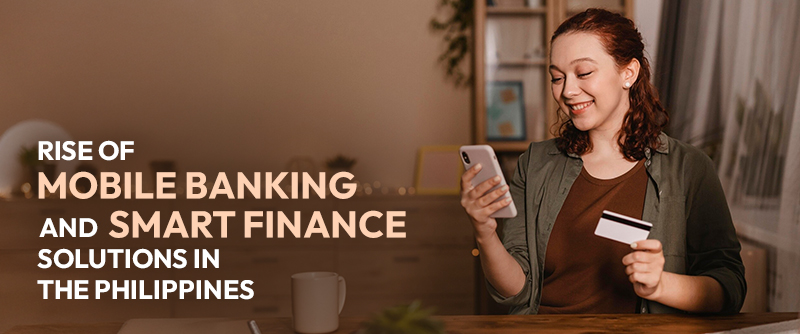
Early gains in digital finance came from simple tools that let users view balances or track spending. These tools shaped how people managed cash. The shift grew fast once mobile apps added stronger features. These features included encrypted transfers, real-time checks, and device-based identity steps. These changes paved the way for the industry’s growing phenomenon that can be termed as “Mobile Banking Philippines”, setting the tone for smarter financial choices across the country.
Drivers Behind the Growth of Mobile Finance
Mobile access changed daily money use. People could send funds, scan bills, and check loan updates without long waits. Simple phone actions replaced many in-branch tasks. The gains were clear. Banks saw lower process load. Users saw quick action and fewer delays.
Growing digital trust played a major part. Many users felt safer once apps began showing alerts for each action. Clear steps for login, transfer, and bill pay helped people form new habits. These habits formed the base for broader use of smart banking in the Philippines, bringing more tools into daily finance.
Network upgrades also helped. Stronger mobile data links made app use smooth even in busy areas. This supported new features such as instant transfers and tracking tools. The result was wider comfort with digital access and more users trying new app features.
Shift Toward Smarter Finance Tools
Smart finance solutions changed how people planned their money use. Basic apps grew into tools that could guide choices. Some tools scanned spending to help users track habits. Others gave alerts when balances ran low. This shaped simple financial control for users.
Banks added support tools to reduce user doubts. Clear menus and quick help improved confidence. These upgrades helped raise the popularity and adoption of several products that fall under the popular category of “Fintech Solution Philippines”. People found value in tools that saved time and removed long manual steps.
The rise of digital wallets and QR payments also pushed change. These tools made small purchases simple. Users paid without cash and tracked all movements in one place. Merchants saw faster checkouts. Banks saw higher digital activity. Smart finance grew from these shared gains.
AI and Data Use in Mobile Finance
AI tools improved risk checks and helped users get quick support. Chat tools guided users through common steps. Fraud checks scanned actions in real time. These tools reduced the chance of false alerts and kept accounts safe.
Data systems helped banks understand app use. Banks saw peak activity times and common tasks. They improved menus and flows based on these patterns. This raised overall comfort and kept users engaged.
AI also shaped loan checks. Simple data signals helped banks judge risk faster. Faster checks meant faster loan decisions. This helped more users access fair credit.
Future of Mobile Banking in the Philippines
Future tools will rely on more accurate data use. Apps will give clearer advice on savings, bills, and risk. Users will see patterns in simple charts. These patterns will guide better daily choices.
Banks will also add more layered security. Device checks, face unlock, and hidden codes will support safe access. These steps will not slow the user. They will give peace of mind.
Rural access stands to grow fast. Low-data app modes support areas with weak signals. Offline steps allow simple checks even without network access. This opens new space for the growth of solutions that fall under the category – Mobile Banking Philippines.
Smart finance tools will blend with more services. Users may access micro-insurance, small credit, or savings plans inside one app. This bundled access reduces confusion and helps people manage life needs in one place. It also raises demand for stronger smart banking Philippines systems.
WFIS Philippines: Connecting Leaders & Driving the Next Wave of Fintech Growth
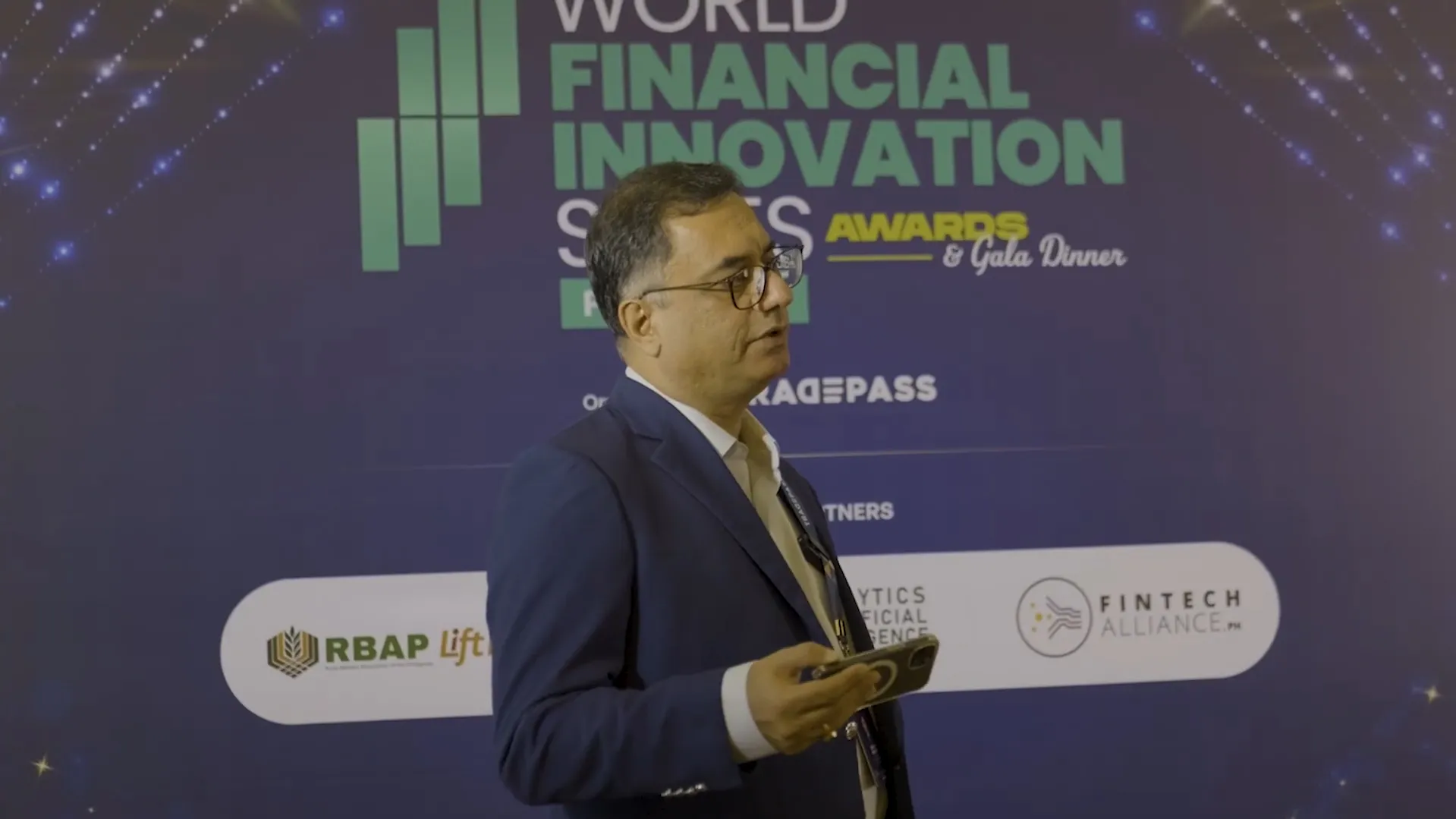
World Financial Innovation Series (WFIS) Philippines 2026, taking place on 25–26 August 2026 in Manila, is set to be the catalyst driving this transformation. The nation’s largest fintech and digital banking event, WFIS Philippines 2026 connects 600+ leaders and decision-makers from top banks, insurers, microfinance institutions, and regulators to explore how mobile-first finance and smart digital ecosystems are shaping the country’s economic future.
Empowering the Digital Financial Landscape
From e-wallet innovations to AI-powered financial services, the Philippines continues to accelerate its journey toward a fully digitized and inclusive financial ecosystem. WFIS Philippines 2026 provides the perfect platform for senior executives, policymakers, and fintech innovators to chart the next phase of national fintech growth.
Key sessions will revolve around:
Hyper-Personalization in Financial Services
Reimagining Banking Operations
Rewiring Transaction Banking
And many others……
Join the Movement Powering the Future of Mobile Finance — Register Now
Join us at WFIS Philippines 2026, and be part of the movement connecting visionaries, innovators, and regulators driving the next wave of fintech growth, where the future of mobile and smart finance in the Philippines begins.